7 Budget Smartwatches That Actually Compete With Premium Models in 2026
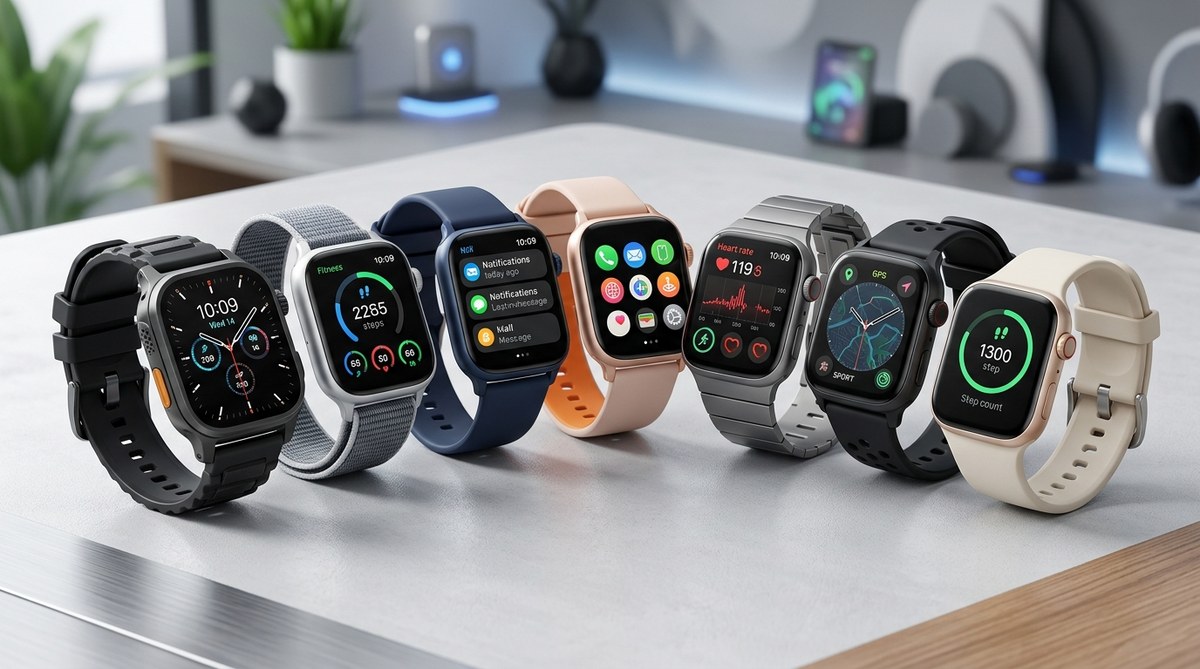
Shopping for a smartwatch shouldn’t mean choosing between your budget and the features you actually need. The 2026 lineup of affordable wearables proves you can get accurate health tracking, solid battery life, and sleek designs without spending premium prices. Many budget models now include sensors and capabilities that were exclusive to flagship devices just two years ago.
The best cheap smartwatches in 2026 deliver flagship features like AMOLED displays, multi-day battery life, and advanced health sensors for under $250. Brands like Amazfit, Samsung, and Apple now offer compelling budget options that compete directly with premium models. You no longer need to sacrifice essential features when shopping on a budget, making this the perfect time to upgrade your wearable tech.
What Makes a Budget Smartwatch Worth Buying
Price alone doesn’t determine value. A smartwatch under $150 that tracks your workouts accurately and lasts five days between charges beats a $400 model that dies by dinner time.
The sweet spot for budget smartwatches in 2026 sits between $80 and $250. Below $80, you’ll find basic fitness trackers with limited functionality. Above $250, you’re entering premium territory where diminishing returns kick in hard.
Modern affordable wearables now include features that used to cost extra:
- Built-in GPS for route tracking without your phone
- Heart rate monitoring with optical sensors
- Sleep stage analysis and recovery metrics
- Water resistance rated for swimming
- Smartphone notifications and app controls
- Voice assistant integration
Battery technology has improved dramatically. Where budget watches once struggled to last two days, many 2026 models run for a week or longer on a single charge.
Display quality has also leveled up. AMOLED screens with vibrant colors and always-on capabilities used to be premium-only features. Now they appear on watches under $120.
Top Budget Smartwatches That Actually Deliver
Amazfit Active 2
This watch punches way above its $100 price point. The 1.32-inch AMOLED display looks crisp and responds smoothly to touch inputs. Battery life reaches 10 days with typical use, extending to 14 days in battery saver mode.
The Active 2 tracks over 120 sports modes and includes built-in GPS with dual-band positioning. Health features cover heart rate, blood oxygen, stress monitoring, and sleep analysis. The Zepp OS 4.0 interface feels snappy and supports third-party apps.
Water resistance hits 5 ATM, making it swim-proof. The aluminum body feels solid without adding bulk. At 32 grams, you’ll barely notice it on your wrist during workouts or sleep.
Apple Watch SE 3
Apple’s budget offering starts at $249 but delivers the core Apple Watch experience. The S9 chip provides smooth performance for notifications, apps, and Siri commands. Crash detection and fall detection add safety features typically found on the flagship Series models.
Fitness tracking covers running, cycling, swimming, and dozens of other activities. The optical heart rate sensor works reliably, and sleep tracking now includes sleep stages. Battery life reaches 18 hours, which means nightly charging.
The SE 3 lacks always-on display and advanced health sensors like ECG or blood oxygen monitoring. But if you’re invested in the Apple ecosystem and want seamless iPhone integration, this watch makes sense. Just know that understanding battery behavior helps extend its daily lifespan.
Samsung Galaxy Watch 7
Samsung dropped the price on last year’s flagship to $279, creating a compelling budget option for Android users. The 1.3-inch Super AMOLED display looks gorgeous with deep blacks and punchy colors. The rotating digital bezel makes navigation intuitive.
Wear OS 5 with One UI Watch 6 provides access to thousands of apps through the Google Play Store. Health tracking includes advanced metrics like body composition analysis, ECG, and blood pressure monitoring (where approved). Sleep coaching offers personalized insights.
Battery life averages two days with moderate use. Fast charging gets you from zero to full in about an hour. The watch works best with Samsung phones but functions well with any Android device running version 11 or newer.
Garmin Forerunner 55
Runners on a budget should look at the Forerunner 55, typically priced around $200. This watch focuses on what matters for training: accurate GPS tracking, heart rate monitoring, and detailed running metrics.
The transflective display stays readable in bright sunlight without draining battery. You’ll get two weeks of battery life in smartwatch mode, or 20 hours with continuous GPS tracking. That means week-long training blocks without charging anxiety.
Garmin’s training features include suggested workouts, recovery time estimates, and race time predictions. The watch tracks VO2 max and provides training effect analysis. While the screen isn’t as flashy as AMOLED competitors, the functionality more than compensates.
CMF Watch Pro 2
Nothing’s sub-brand CMF released this stunner at just $89. The circular AMOLED display measures 1.96 inches and supports always-on mode. Interchangeable bezels let you customize the look without buying multiple watches.
Health tracking covers the basics well: heart rate, SpO2, sleep stages, and stress monitoring. The watch includes 120+ sports modes and built-in GPS. Battery life reaches 13 days, or 9 days with always-on display enabled.
The catch? Limited app ecosystem. You won’t find third-party apps or payment features. But for basic smartwatch functionality at an unbeatable price, the CMF Watch Pro 2 delivers.
How to Choose the Right Budget Smartwatch
Your smartphone determines compatibility. iPhone users need an Apple Watch or a watch with limited iOS support. Android users have more options but get the best experience with Wear OS devices.
Consider these factors before buying:
- Identify your primary use case (fitness tracking, notifications, or general smartwatch features)
- Check battery life expectations against your charging habits
- Verify water resistance ratings if you swim or shower with your watch
- Confirm GPS is built-in if you run or cycle without your phone
- Review app availability if you need specific third-party applications
The table below compares key specifications:
| Watch | Battery Life | GPS | Water Rating | Display Type | Price |
|---|---|---|---|---|---|
| Amazfit Active 2 | 10 days | Yes | 5 ATM | AMOLED | $100 |
| Apple Watch SE 3 | 18 hours | Yes | 5 ATM | LTPO OLED | $249 |
| Galaxy Watch 7 | 2 days | Yes | 5 ATM | Super AMOLED | $279 |
| Forerunner 55 | 14 days | Yes | 5 ATM | Transflective | $200 |
| CMF Watch Pro 2 | 13 days | Yes | IP68 | AMOLED | $89 |
Common Mistakes When Buying Budget Smartwatches
Many buyers focus too heavily on feature lists and ignore real-world usability. A watch with 150 sports modes sounds impressive until you realize you only use three of them.
Mistake number one: Ignoring ecosystem compatibility. An Android-focused watch will frustrate iPhone users with limited functionality. Check compatibility charts before purchasing.
Mistake number two: Overlooking band quality and comfort. Cheap bands irritate skin during workouts or sleep. Budget an extra $15-30 for a quality replacement band if the stock option feels scratchy.
Mistake number three: Expecting premium build quality at budget prices. Affordable watches use plastic cases and mineral glass instead of titanium and sapphire. They’ll show wear faster but still function perfectly.
The best budget smartwatch isn’t the one with the most features. It’s the one you’ll actually wear every day because it fits your lifestyle, charges conveniently, and does the three things you care about really well.
Battery Life Expectations for Affordable Wearables
Battery performance varies wildly based on usage patterns. Always-on displays, continuous heart rate monitoring, and frequent GPS use drain power faster.
Most budget smartwatches in 2026 fall into three categories:
- Short life (1-2 days): Apple Watch SE 3, most Wear OS watches with heavy use
- Medium life (3-7 days): Samsung Galaxy Watch 7, Fitbit models, basic Amazfit watches
- Long life (7-14 days): Garmin Forerunner series, CMF Watch Pro 2, Amazfit with battery saver mode
You can extend battery life by disabling always-on display, reducing screen brightness, and limiting continuous heart rate monitoring to workouts only. Turning off GPS when walking around your neighborhood also helps significantly.
Charging speed matters too. Some watches take three hours to fully charge while others hit 100% in under an hour. Fast charging becomes essential if you forget to charge overnight.
Fitness Tracking Accuracy on Budget Models
Affordable smartwatches now deliver surprisingly accurate health metrics. Heart rate sensors have improved to the point where budget models match premium watches during steady-state cardio.
GPS accuracy varies more. Watches with multi-band GPS (like the Amazfit Active 2) track routes more precisely in urban canyons and dense forests. Single-band GPS works fine for open areas but can drift near tall buildings.
Sleep tracking has become a standard feature across all price points. Most budget watches detect sleep stages (light, deep, REM) with reasonable accuracy. They won’t match dedicated sleep labs, but they’ll show useful trends over time.
Step counting remains fairly consistent across devices, usually within 5% accuracy. Calorie burn estimates are less reliable and should be viewed as rough approximations rather than precise measurements.
Smart Features Beyond Fitness
Notification handling separates good budget smartwatches from great ones. The ability to read messages, see caller ID, and control music playback adds real convenience.
Payment features appear on some budget models. Samsung Pay works on the Galaxy Watch 7. Apple Pay requires an Apple Watch. Most other budget watches skip payment entirely to cut costs.
Voice assistants vary by platform. Apple Watch SE 3 includes Siri. Galaxy Watch 7 offers Google Assistant and Bixby. Other budget watches may include basic voice controls or skip the feature completely.
Third-party apps make watches more versatile. Wear OS devices access the Google Play Store. Apple Watch taps into the App Store. Proprietary operating systems like Zepp OS or Garmin’s platform offer limited app selections but run more efficiently.
When Budget Watches Make More Sense Than Flagships
Premium smartwatches cost $400 to $800 or more. That extra money buys titanium cases, sapphire crystals, cellular connectivity, and advanced health sensors like ECG or body temperature tracking.
Most people don’t need those premium features. If you primarily want notifications, basic fitness tracking, and multi-day battery life, a $150 watch does the job perfectly.
Budget watches also make sense as starter devices. If you’ve never worn a smartwatch, spending $100 to test the waters beats dropping $500 on a device you might not use.
Durability concerns favor budget options too. A scratched $100 watch stings less than a damaged $600 flagship. If you work in rough conditions or play contact sports, affordable models reduce replacement anxiety.
Platform-Specific Considerations
iPhone users face limited choices. The Apple Watch SE 3 provides the best experience with full iOS integration. Some Wear OS watches work with iPhones but lose functionality. Most other smartwatches offer basic notification support at best.
Android users enjoy the widest selection. Wear OS watches from Samsung, Google, and others provide full smart features. Proprietary platforms like Amazfit’s Zepp OS work well for fitness-focused users who don’t need extensive app libraries.
Cross-platform users who switch between iPhone and Android should consider watches with broad compatibility. Garmin watches work reasonably well with both platforms, though setup requires more manual configuration.
The Value Proposition in 2026
Budget smartwatches have reached a tipping point. The gap between affordable and premium models has narrowed significantly in terms of core functionality.
You’re no longer settling when you buy a budget smartwatch. You’re making a smart choice to get 90% of the features at 30% of the cost. The missing 10% includes niceties like premium materials, advanced health sensors, and cellular connectivity that most users rarely need.
The smartwatch market has matured. Competition drives innovation down to lower price points faster than ever. Features that seemed impossible at budget prices three years ago now come standard.
Your Next Wrist Companion Awaits
Finding the best cheap smartwatches in 2026 means matching your priorities to the right device. Runners benefit from Garmin’s training features and epic battery life. iPhone users get seamless integration with the Apple Watch SE 3. Android fans find tremendous value in the Galaxy Watch 7 or Amazfit Active 2.
The beauty of today’s budget smartwatch market is that you don’t sacrifice essential features anymore. You get reliable health tracking, useful smart notifications, and designs that look good on your wrist. Save the extra $300 for something else. Your wrist won’t know the difference, but your wallet will thank you.

Post Comment