Top 10 Wearable Tech Innovations to Expect in 2026
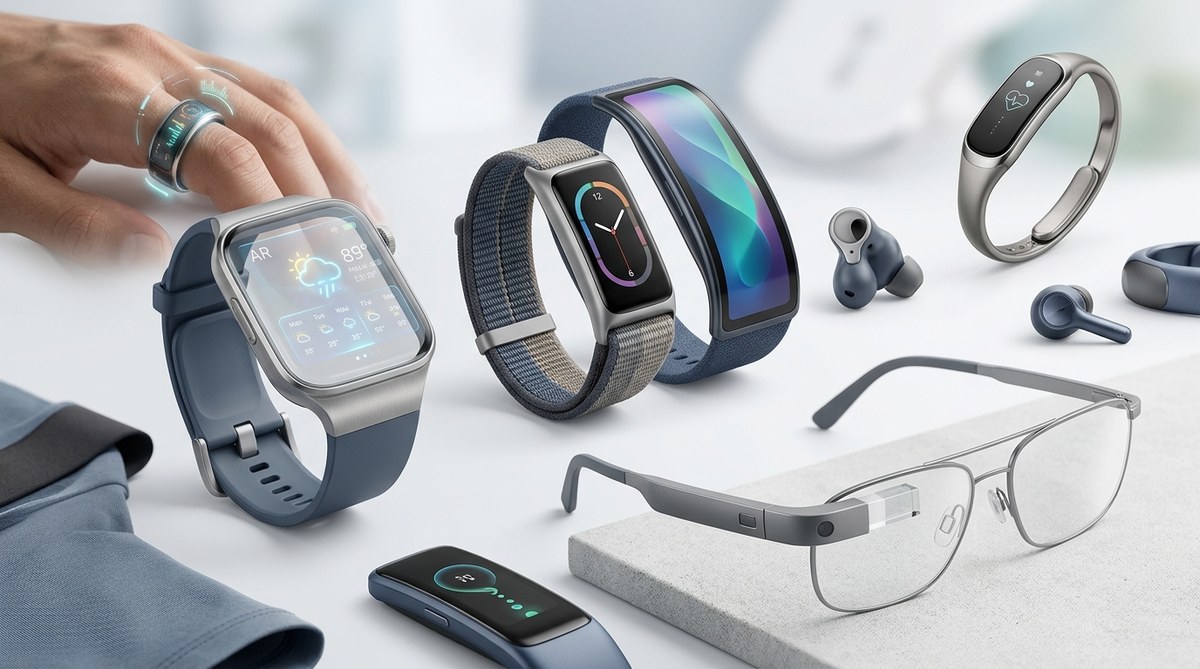
Getting a glimpse into wearable technology in 2026 reveals a landscape packed with innovations that could redefine how we live, work, and look after our health. As tech companies push boundaries, consumers are eager for devices that offer more personalization, accuracy, and seamless integration. Whether you’re a tech enthusiast or someone focused on wellness, the wearable innovations coming this year promise to make daily routines smarter and more intuitive.
2026 will see wearable tech become more advanced, personalized, and health-focused, with innovations like biosensors, AI-powered devices, and smart accessories transforming everyday life and wellness routines.
The Next Generation of Wearable Devices
Wearable technology continues to evolve rapidly, with 2026 shaping up to be a landmark year. Devices will no longer just track steps or calories but will provide detailed biometric data, predictive health insights, and even real-time monitoring for specific conditions. Industry leaders are investing heavily in miniaturization, AI integration, and cross-device compatibility, leading to a new era of wearables that feel more like natural extensions of the body and mind.
Top Wearable Tech Innovations to Watch in 2026
1. Biosensor-enabled Smart Rings
Smart rings are gaining popularity thanks to their discreet design and powerful capabilities. The latest versions will feature advanced biosensors capable of analyzing blood oxygen levels, hydration status, and blood sugar levels without invasive procedures. These rings will connect to your smartphone or health ecosystem, providing real-time insights into your wellness. For example, a ring might alert you to early signs of dehydration or stress based on biometric changes.
2. AI-powered Biometric Bands
Wearable bands infused with artificial intelligence are set to revolutionize fitness and health monitoring. These devices will learn your activity patterns, sleep cycles, and stress levels to offer personalized recommendations. AI will also help detect anomalies, such as irregular heartbeat or early signs of fatigue, and suggest adjustments to your routines. Expect these bands to sync effortlessly with your other devices, creating a comprehensive health dashboard.
3. Smart Tattoos and Subdermal Sensors
The future of wearables includes flexible, tattoo-like sensors that adhere directly to the skin. These smart tattoos will monitor a range of health metrics, from electrolyte levels to hormone fluctuations, providing continuous data without discomfort. For professional athletes or medical patients, these sensors could be game changers, offering real-time feedback on physical or biochemical changes.
4. Biometric Glasses with Augmented Reality
Augmented reality glasses are evolving beyond gaming and entertainment. 2026 will introduce models equipped with biometric sensors that monitor eye health, stress levels, and even blood pressure. These glasses will overlay vital information onto your environment and alert you when health metrics reach concerning levels, all while maintaining a sleek, fashionable look.
5. Wearable Sleep Tech with Deep Learning
Sleep trackers are becoming more sophisticated with deep learning algorithms that analyze sleep stages, breathing patterns, and environmental factors. Devices like smart mats, rings, or headbands will identify disturbances and suggest tailored improvements to sleep hygiene. These innovations aim for a holistic approach to sleep health, integrating data from multiple sources for better rest.
6. Biometric Earbuds
Earbuds are no longer just for audio. In 2026, biometric earbuds will monitor heart rate, stress, and even ear infections. These devices will provide continuous health data during your daily activities and workouts, offering insights that can prevent health issues before symptoms appear.
7. Smart Clothing with Embedded Sensors
Clothing with integrated sensors will track muscle activity, posture, and skin temperature. These garments will be especially useful for athletes, physical therapists, and workers in physically demanding jobs. Embedded AI will analyze the data, helping users optimize performance or recover from injuries faster.
8. Digital Tattoos for Personalized Medicine
Personalized medicine will benefit from digital tattoos that store and transmit health data directly from the skin. These tattoos could carry medication reminders, monitor drug levels, or deliver low-level electrical stimulation for pain relief, making healthcare more accessible and less invasive.
9. Portable Biochemical Analyzers
Small, handheld biochemical analyzers will allow users to perform lab-quality tests at home or on the go. These devices will analyze saliva or blood samples for cholesterol, hormone levels, or nutrient deficiencies, providing instant results that can be shared with healthcare providers.
10. Cross-Device Ecosystems
Finally, expect to see a push toward fully integrated wearable ecosystems. Devices will communicate seamlessly across platforms, creating a unified health profile. This will enable more personalized health strategies, predictive analytics, and even proactive interventions based on comprehensive data.
How To Prepare for Wearable Tech Innovations in 2026
As these wearable devices become more prevalent, consider the following steps to maximize their benefits:
- Identify your health priorities. Whether it’s fitness, sleep, or chronic condition management, focus on devices that align with your goals.
- Check ecosystem compatibility. Ensure your existing devices and apps can integrate with new wearables.
- Stay informed about data privacy. With more data sharing, understanding your rights and security options is crucial.
- Experiment with different device types. Try smart rings, glasses, or clothing to see what fits your lifestyle best.
- Consult healthcare professionals. Wearables can support medical advice but should not replace professional consultation.
Common Pitfalls to Avoid When Adopting Wearables
| Technique | Mistake | Correction |
|---|---|---|
| Relying solely on device data | Overconfidence in device accuracy | Use wearables as supplements, not replacements |
| Ignoring privacy settings | Data leaks or misuse | Regularly review and update privacy controls |
| Purchasing too many gadgets at once | Overwhelm and confusion | Focus on a few key devices that serve your needs |
| Neglecting device maintenance | Reduced accuracy or failures | Keep firmware updated and clean sensors regularly |
| Not setting realistic goals | Frustration and abandonment | Set achievable, measurable targets |
“While wearable tech is advancing rapidly, it’s important to remember that no device can replace professional medical advice. Use these tools wisely and in conjunction with expert guidance,” advises Dr. Lisa Carter, a leading health tech researcher.
Wearable Tech in 2026: A New Era of Personalization and Insight
The wearable innovations arriving in 2026 aim to blend technology seamlessly into everyday life. Devices will become smarter, more personalized, and capable of providing predictive insights that help prevent health issues before they become serious. The focus on non-invasive, continuous monitoring will allow users to take more control over their wellness with less hassle.
As you consider integrating new wearable tech, think about how these devices can complement your routines rather than complicate them. The key to benefiting from these advancements is selecting the right tools and understanding their capabilities and limitations.
Making Wearable Technology Work for You
The future of wearable tech is bright, with devices that adapt to your lifestyle and health needs. By staying informed about emerging innovations and choosing devices that truly serve your goals, you can transform the way you monitor and improve your wellbeing. Remember, technology should empower, not complicate, your daily routines.
As you plan your next steps in wearable tech, keep a close eye on new releases and updates. With 2026 shaping up to be a breakthrough year, now is the perfect time to start exploring how these innovations can fit into your life.



Post Comment