Why Your Next Smartwatch Should Be ECG-Enabled in 2026
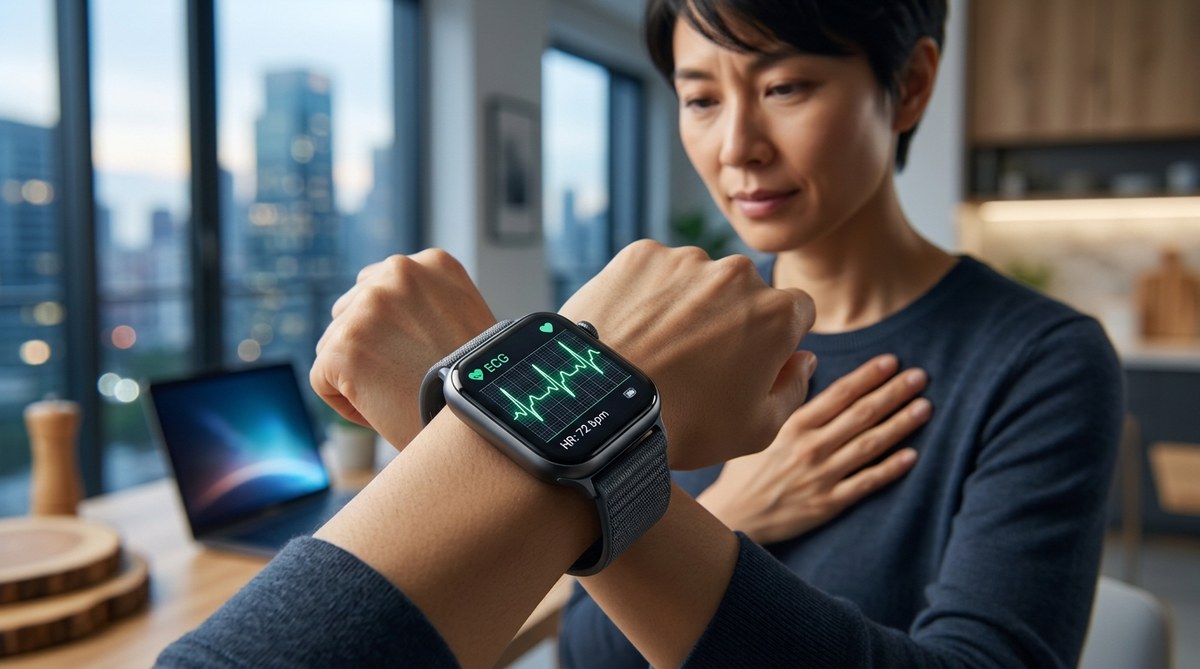
A smartwatch today does a lot more than count steps. It tracks your sleep, logs your workouts, and buzzes when you get a call. But the feature that turns a wristband into a potential lifesaver is the electrocardiogram, or ECG. In 2026, an ECG smartwatch has moved past novelty and into essential health tool territory. If you are over 30, have a family history of heart issues, or just want to keep an eye on your cardiovascular health, this is the upgrade that matters most.
An ECG smartwatch in 2026 is no longer a gimmick. It offers clinical-grade single-lead ECG readings that can detect atrial fibrillation, the leading cause of stroke. More brands now have FDA-cleared sensors, better AI analysis, and longer battery life. Choosing the right model comes down to sensor accuracy, medical validation, and seamless integration with your primary care provider.
What an ECG Smartwatch Actually Does
Your heart beats because of electrical signals. An ECG smartwatch captures those signals through sensors on the back of the watch and the digital crown (or a dedicated electrode). The result is a waveform that shows the rhythm of your heart.
This is different from a standard optical heart rate sensor. Optical sensors use light to measure blood flow and guess your pulse. An ECG reading is more precise. It can spot irregularities like atrial fibrillation (AFib) that optical sensors might miss.
In 2026, these watches have become smarter. The latest generation uses machine learning models trained on millions of ECG strips. They can classify readings as “sinus rhythm,” “atrial fibrillation,” or “inconclusive” right on your wrist. Some models can even alert you to signs of bradycardia (slow heart rate) or tachycardia (fast heart rate).
Why 2026 Is the Year to Upgrade
The ECG smartwatch market has matured. Here is what has changed in the last couple of years:
- Broader FDA clearance. More brands beyond Apple and Samsung have received FDA clearance for their ECG features. This includes Google Pixel Watch, Withings ScanWatch, and certain Garmin models.
- Better sensors. The electrodes are more sensitive. You no longer need to hold still for 30 seconds to get a clear reading.
- AI-assisted analysis. The watch can now flag potential issues and suggest when to share a PDF report with your doctor. Some models can even export a 12-lead-like report for specialists.
- Longer battery life. You no longer have to charge every night. Some ECG watches now last up to 14 days, which means you can wear them while sleeping for overnight heart rate monitoring.
If you are still using a fitness band from 2021 or earlier, you are missing out on critical data. A 2022 study in the New England Journal of Medicine found that wearable ECGs detected AFib in people who had no symptoms. Early detection means early treatment.
How to Choose the Best ECG Smartwatch in 2026
Not all ECG watches are equal. You need to weigh a few factors before buying.
| Feature | What to Look For | Why It Matters |
|---|---|---|
| Sensor precision | FDA-cleared single-lead ECG | Clinical validation ensures accuracy |
| AI interpretation | On-device analysis with AFib classification | Reduces false alarms and unnecessary doctor visits |
| Battery life | At least 7 days on a single charge | Enables continuous overnight monitoring |
| Data sharing | Easy PDF export or integration with Apple Health / Google Fit | Your cardiologist can review the strip remotely |
| Companion app | Simple interface with trend tracking | Spot patterns over weeks, not just a single reading |
Factors That Deserve Extra Attention
Medical validation matters most. A smartwatch with a flashy design but no FDA clearance is a toy. Stick with brands that have published peer-reviewed studies. Apple, Samsung, Withings, and Google have all invested in clinical trials.
Comfort and form factor. If the watch is bulky, you will take it off at night. Many ECG watches in 2026 have slimmed down. Look for a model that feels natural on your wrist.
Ecosystem integration. If you use an iPhone, an Apple Watch will share data directly with the Health app. If you are on Android, a Samsung Galaxy Watch or Google Pixel Watch will do the same. This makes sharing data with your doctor seamless.
How to Take an Accurate ECG Reading
Most people think you just strap on the watch and wait. There is a technique to it.
- Sit down and rest your arm on a table. Movement creates noise in the signal.
- Open the ECG app on your watch. Follow the on-screen instructions.
- Place your finger on the crown (or dedicated electrode) for 30 seconds. Do not press too hard.
- Stay still and breathe normally. Talking or moving your hand will distort the trace.
- Review the result. The watch will classify the reading. If it says “inconclusive,” try again.
- Save and export if needed. Many watches let you add notes about how you feel (dizzy, tired, normal).
- Share with your doctor. Use the companion app to generate a PDF and send it securely.
If you get an AFib notification, do not panic. Confirm with a second reading. Then contact your healthcare provider. The watch is a screening tool, not a diagnosis.
When the Watch Alerts You: Next Steps
A notification from your ECG smartwatch can be unsettling. But knowing what to do helps.
“I always tell my patients that a single irregular reading is not a diagnosis,” says Dr. Lisa Chen, a cardiologist at Stanford Health Care. “But if you get multiple AFib alerts in a week, or if you feel chest pressure, shortness of breath, or dizziness alongside the alert, that is the moment to call your doctor. The watch is an early warning system. Use it that way.”
Your watch can also log symptoms. If you feel a flutter or a skipped beat, take a reading immediately. The timestamped data helps your doctor compare events with the actual rhythm.
Signs to Act On
- Three or more “atrial fibrillation” readings in one week without symptoms
- Any AFib reading alongside chest pain, fainting, or extreme fatigue
- A resting heart rate consistently above 120 or below 40 beats per minute
- The watch reports an “inconclusive” reading repeatedly with no clear cause
In those cases, the next step is a 12-lead ECG at your clinic. But the watch has already done the most important job: it got you in the door.
Common Mistakes People Make With ECG Smartwatches
Even a great tool can be used poorly. Here are the pitfalls to avoid.
- Trusting a single reading. Your heart rate varies throughout the day. One AFib alert could be a movement artifact. Always take a second reading.
- Ignoring the instructions. The watch needs a good contact point. A loose strap or sweaty skin will ruin the signal.
- Not updating the software. ECG algorithms improve with updates. Keep your watch on the latest firmware.
- Relying on it for a diagnosis. The watch is a screening tool, not a replacement for medical equipment. Your cardiologist has 12-lead machines for a reason.
- Forgetting to share data. The watch collects invaluable information. But it only helps if your doctor sees it. Export your data before every appointment.
If you want to stay on top of your smartwatch health tracking, check out our guide on 10 Hidden Apple Watch Features That Most Users Never Discover. It covers sleep apnea detection, blood oxygen trends, and how to set up irregular rhythm notifications.
Budget Smartwatches With ECG: Do They Hold Up?
Premium models from Apple and Samsung can cost $400 to $800. That price tag might feel steep if you just want heart monitoring.
The good news: affordable ECG watches have improved. Many of them are covered in our roundup of 7 Budget Smartwatches That Actually Compete With Premium Models in 2026. These watches often offer the same FDA-cleared sensor with a less polished interface or fewer apps. If your main goal is heart health, a budget model can save you hundreds of dollars.
Just check the fine print. Some budget watches have ECG features that work only when you manually start a reading. They may not offer passive background monitoring. For most users, that is acceptable, but if you want automatic AFib detection, you may need to spend more.
Your Heart Is the Ultimate Reason
An ECG smartwatch in 2026 gives you a window into your heart that used to require a visit to the clinic. The sensor is more accurate than ever, the AI is smarter, and the data can travel directly to your doctor.
If you care about preventive health, this is the single most important upgrade you can make. Step counting and sleep tracking are helpful, but detecting a silent arrhythmia could change the course of your life. Take a few minutes to compare models, read the clinical data, and pick the watch that fits your wrist and your routine.
Your next smartwatch should do more than tell time and count steps. It should watch your heart. In 2026, the technology is finally ready to deliver on that promise.


Post Comment