Is Foldable Technology Finally Ready for Mainstream Adoption?
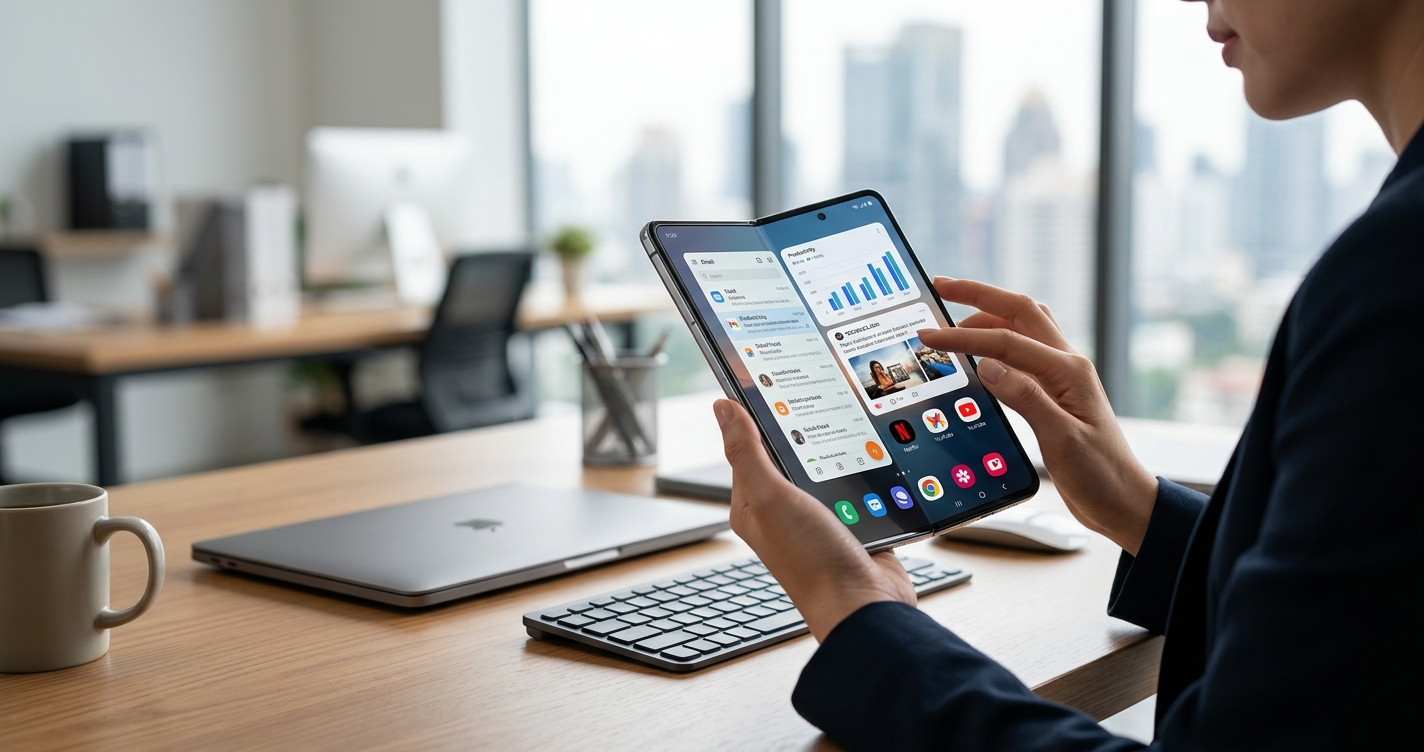
Foldable phones have been around for years, yet they still feel like futuristic gadgets reserved for tech enthusiasts with deep pockets. The screens fold, the prices shock, and the durability concerns linger. But something has shifted in 2026. Major manufacturers have released their fifth and sixth generation models, prices have started dropping, and real people are actually using these devices as daily drivers. The question is no longer whether foldable phones work, but whether they’re finally practical enough for regular consumers to buy without regret.
Foldable phones have matured significantly in 2026, with improved screen durability, better hinge mechanisms, and more competitive pricing. While they still cost more than traditional flagships, the gap has narrowed. Battery life and app optimization remain concerns, but for users who value multitasking and larger screens, foldables now offer genuine practical benefits that justify the premium for many buyers.
The durability problem has mostly been solved
Early foldable phones had screens that scratched if you looked at them wrong. The ultra-thin glass cracked under pressure. The protective layers peeled off after months of use. Dust particles would sneak into the hinge and create permanent damage. Those issues drove away anyone who wanted a phone that could survive normal life.
Modern foldables use dramatically better materials. Samsung’s latest Galaxy Z Fold uses Gorilla Glass Victus 3 on the outer screen and a new ultra-thin glass composite on the inner display that can handle over 400,000 folds according to lab testing. That translates to roughly 10 years of opening and closing the phone 100 times per day.
The hinge mechanisms have also improved. Manufacturers now use multi-barrel designs with dozens of interlocking gears instead of the simpler two-part hinges from earlier models. This distributes stress more evenly and prevents the wobble that plagued first-generation devices.
Water resistance was impossible on early foldables. Now most flagship models carry IPX8 ratings, meaning they can survive submersion in fresh water up to 1.5 meters for 30 minutes. That’s the same protection you get on traditional smartphones.
The screens still aren’t as tough as regular phone displays. You can’t use a foldable with the same carelessness you might treat a standard phone. But they’ve crossed the threshold from “handle with extreme caution” to “treat it like an expensive phone.”
Pricing has become more reasonable but not cheap

The first Galaxy Fold launched at $1,980 in 2019. The Huawei Mate X cost even more at $2,600. Those prices kept foldables firmly in the luxury category, competing with high-end laptops rather than phones.
Fast forward to 2026, and the landscape looks different. Samsung’s Galaxy Z Flip6 starts at $999, which puts it in the same range as the iPhone 15 Pro or Galaxy S24 Plus. The larger Z Fold6 begins at $1,799, still expensive but closer to what people pay for premium tablets.
Chinese manufacturers have pushed prices even lower. The Xiaomi Mix Fold 4 starts at $1,299, and Honor’s Magic V3 comes in at $1,399. These phones offer similar specs to Samsung’s flagships with only minor compromises in camera quality or software support.
Here’s a breakdown of how foldable pricing compares to traditional flagships:
| Device Type | Entry Price | Premium Price | Value Proposition |
|---|---|---|---|
| Traditional Flagship | $799 | $1,199 | Proven reliability, best cameras |
| Flip-Style Foldable | $999 | $1,299 | Compact form, novelty factor |
| Book-Style Foldable | $1,599 | $2,199 | Tablet experience, multitasking |
| Budget Foldable | $699 | $999 | Entry point, limited features |
The price gap still exists, but it’s narrow enough that buyers can justify the difference if they genuinely value what foldables offer. A $600 premium over a regular phone is a lot easier to swallow than a $1,200 premium.
Battery life remains the biggest practical compromise
Foldable phones pack larger screens into compact bodies. That creates a fundamental problem: there’s less room for batteries. Most book-style foldables use two separate battery cells, one in each half of the device, which adds weight and reduces total capacity compared to a traditional phone of similar size.
The Galaxy Z Fold6 has a 4,400mAh battery. That sounds decent until you remember you’re powering a 7.6-inch inner display that runs at 120Hz. Heavy users report needing to charge by mid-afternoon, especially if they’re using the unfolded screen for extended periods.
Flip-style phones face similar issues. The Z Flip6 uses a 4,000mAh battery, which is smaller than most regular flagships. The compact form factor simply doesn’t leave room for a bigger cell.
Some manufacturers have made progress. The Xiaomi Mix Fold 4 manages to fit a 5,000mAh battery by using silicon-carbon technology that packs more energy into less space. But even with that improvement, battery life barely matches what you’d get from a traditional phone with the same capacity.
If you’re someone who uses how to maximize battery life on your iPhone in 2026 techniques religiously on regular phones, expect to be even more conscious of power management with a foldable. Bring a charger for long days.
App optimization has improved but isn’t universal
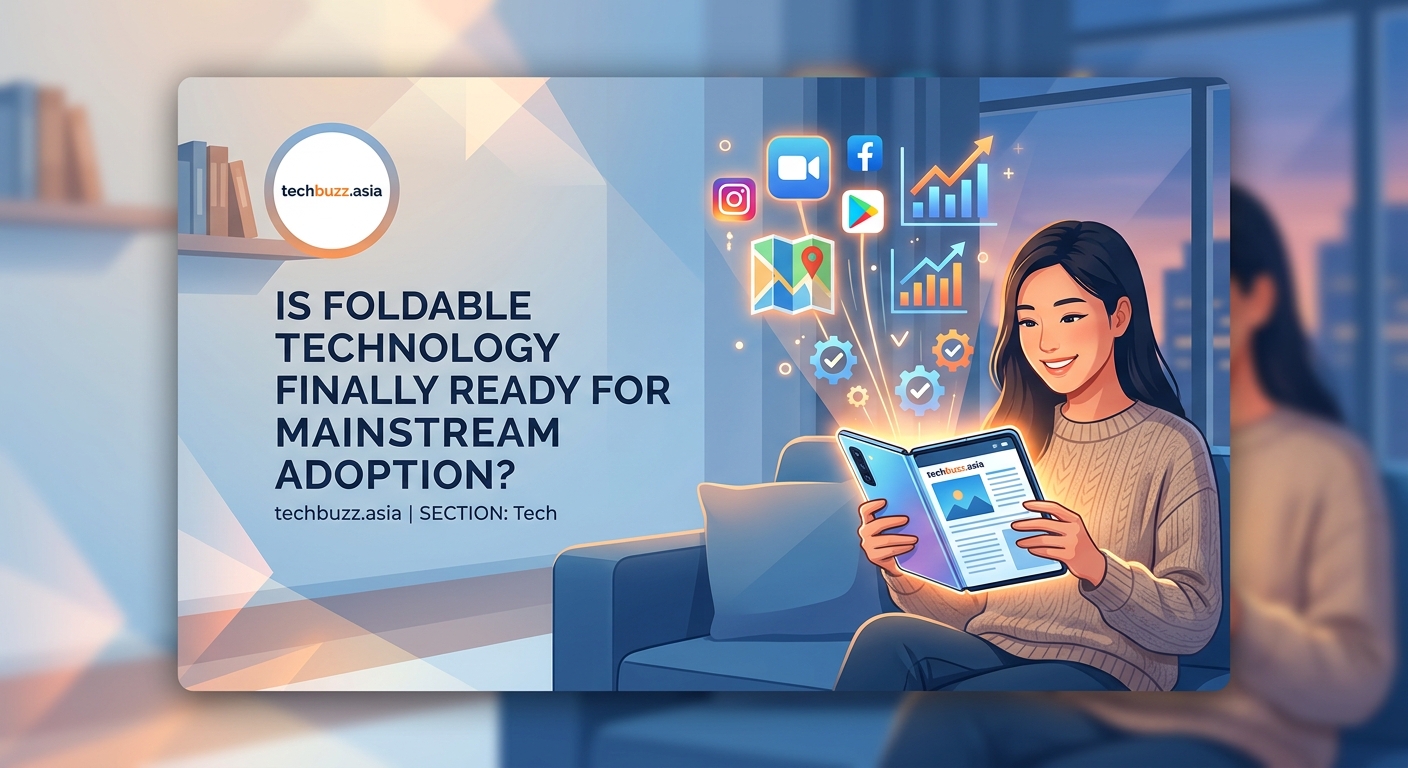
Android has built-in support for foldable displays since version 12, which means most apps can at least display content across the larger screen without breaking. But there’s a difference between an app that works and an app that’s optimized.
Google’s own apps handle foldables well. Gmail shows your inbox on the left and message content on the right when unfolded. Chrome can display two tabs side by side. YouTube properly scales videos to fill the screen without awkward black bars.
Microsoft has also done excellent work. Outlook, Teams, and Office apps all take advantage of the extra screen space with multi-column layouts and improved multitasking features.
The problem comes with third-party apps. Instagram still shows a phone-sized interface in the middle of the screen with black bars on the sides. TikTok doesn’t optimize for the wider aspect ratio. Many games don’t support the unfolded display at all, forcing you to use the smaller outer screen or deal with stretched graphics.
This creates a frustrating experience where some tasks benefit enormously from the larger screen while others offer no advantage at all. You can edit a document beautifully on one app, then switch to another that wastes 40% of your display.
The situation is improving. Developers are slowly adding foldable support as these devices become more common. But we’re not at the point where you can assume every app will work well.
The practical benefits are real for specific use cases
Foldables aren’t just about novelty. They solve real problems for certain users. Understanding whether those problems match your needs is key to deciding if you should buy one.
Multitasking becomes genuinely useful
Running two apps side by side on a traditional phone feels cramped. On a foldable’s 7-inch or 8-inch inner screen, you get enough space to actually use both apps productively. You can watch a video while texting, reference a recipe while shopping online, or take notes during a video call.
The experience approaches what you’d get on a small tablet, but the device still fits in your pocket when folded.
Reading and media consumption improve dramatically
Reading articles, books, or documents on a foldable feels closer to holding a real book or magazine. The larger screen reduces scrolling and makes text easier on the eyes. Comics and graphic novels display beautifully without constant zooming.
Video content benefits too, especially for shows and movies shot in wider aspect ratios. You get a more immersive experience without the tiny screen of a regular phone.
Photography gains a unique advantage
Foldables let you use the main cameras for selfies by folding the phone and using the outer screen as a viewfinder. This means your self-portraits use the same high-quality sensors as your regular photos, rather than the inferior front-facing camera.
You can also prop the phone at various angles for hands-free shots, using the hinge as a built-in kickstand. This makes group photos and long-exposure shots much easier.
Choosing between flip and book styles matters
Not all foldables serve the same purpose. The two main form factors appeal to different users.
Flip-style foldables prioritize portability
These phones fold vertically, creating a compact square that fits easily in small pockets or bags. When unfolded, you get a regular phone-sized screen. The main benefit is the smaller footprint when closed, not a larger display when open.
Flip phones appeal to people who want:
- A more pocketable device
- A retro aesthetic with modern technology
- A protective screen when closed
- A lower entry price into foldables
The compromises include smaller batteries, fewer multitasking features, and less dramatic productivity improvements.
Book-style foldables maximize screen space
These phones open like a book, revealing a tablet-sized inner display. They’re bulkier when folded but offer significantly more screen real estate when open.
Book-style phones work best for users who:
- Do serious work on their phones
- Consume lots of media content
- Value multitasking capabilities
- Can accept a thicker, heavier device
The trade-offs include higher prices, shorter battery life, and a less pocketable form factor.
How to decide if you should buy a foldable in 2026
Making the right choice requires honest assessment of your needs and habits. Here’s a practical framework:
-
Track your current phone usage for a week. Note how often you wish you had a larger screen, how frequently you multitask, and whether you regularly run out of battery. This gives you real data instead of assumptions.
-
Visit a store and use a foldable for at least 30 minutes. Don’t just fold and unfold it. Actually use your regular apps, type messages, watch videos, and see how the weight and thickness feel in your hand and pocket.
-
Calculate the actual cost difference over your upgrade cycle. If you keep phones for three years and a foldable costs $600 more, that’s $200 per year or about $17 per month. Decide if the benefits justify that specific amount.
Common mistakes people make when evaluating foldables:
| Mistake | Why It Matters | Better Approach |
|---|---|---|
| Buying for novelty alone | Excitement fades, practical issues remain | Focus on specific use cases you have today |
| Ignoring the weight increase | 50+ extra grams feels significant daily | Carry a demo unit for a full day if possible |
| Assuming all apps work well | Many still aren’t optimized | Test your most-used apps before buying |
| Overlooking case options | Foldables need protection but cases add bulk | Research available cases and their thickness |
Who should buy a foldable right now
Foldables make sense for several specific groups in 2026.
Power users who actually multitask will benefit immediately. If you regularly reference multiple apps, take notes during calls, or manage work tasks on your phone, the productivity gains are real and measurable.
Media enthusiasts who spend hours reading, watching videos, or playing games will appreciate the larger, more immersive screen. The improved experience justifies the cost if your phone is your primary entertainment device.
Frequent travelers can benefit from the tablet-like experience without carrying a separate device. A foldable replaces both your phone and your entertainment tablet, reducing what you need to pack.
Early adopters with disposable income who want the latest technology and can afford to replace the device if something goes wrong will enjoy being on the cutting edge. Just understand you’re paying a premium for that position.
Who should wait or skip foldables entirely
Some people are better served by traditional phones, at least for now.
Budget-conscious buyers should stick with regular flagships or mid-range phones. Even the cheapest foldables cost more than excellent traditional phones that offer better cameras, longer battery life, and proven durability. The money saved can go toward budget smartwatches that actually compete with premium models in 2026 or other tech.
People who are rough on their phones should avoid foldables. If you frequently drop your device, use it in dusty or dirty environments, or generally don’t baby your electronics, a traditional phone with a good case offers better protection.
Users who prioritize camera quality above all else will find that traditional flagships still have better camera systems. The space constraints in foldables mean slightly smaller sensors and fewer advanced features.
Anyone who needs maximum battery life should choose a regular phone with a large battery. Even the best foldables can’t match the endurance of traditional devices with 5,000mAh or larger batteries.
The software experience still needs refinement
Android’s foldable support has improved, but the operating system still feels like it’s catching up to the hardware. Switching between folded and unfolded states sometimes causes apps to restart or lose their place. The transition isn’t always seamless.
Samsung’s One UI does the best job of handling foldables, with features like app pairs that let you launch two apps simultaneously with one tap, and a taskbar that makes switching between recent apps faster. But even Samsung’s implementation has quirks.
The outer screen on book-style foldables presents another challenge. It’s usually too narrow for comfortable typing or browsing, which means you end up unfolding the phone more often than you might expect. This increases wear on the hinge and drains the battery faster.
Some manufacturers have addressed this with wider outer screens, but that makes the phone bulkier when folded. There’s no perfect solution yet.
Accessories and repairs cost more
Foldable phones need special cases that accommodate the hinge and allow the device to fold properly. These cases cost more than regular phone cases and offer less protection because they can’t fully enclose the device.
Screen protectors are another issue. You can’t use traditional tempered glass on the inner folding display. The pre-installed protector usually needs replacement after a year or two, and that service costs $100 to $200 at authorized repair centers.
Repairs are significantly more expensive. Replacing a broken inner screen on a Galaxy Z Fold costs around $500 even with Samsung Care+. Without insurance, you’re looking at $800 to $1,200 depending on the model. That’s more than many people pay for an entire mid-range phone.
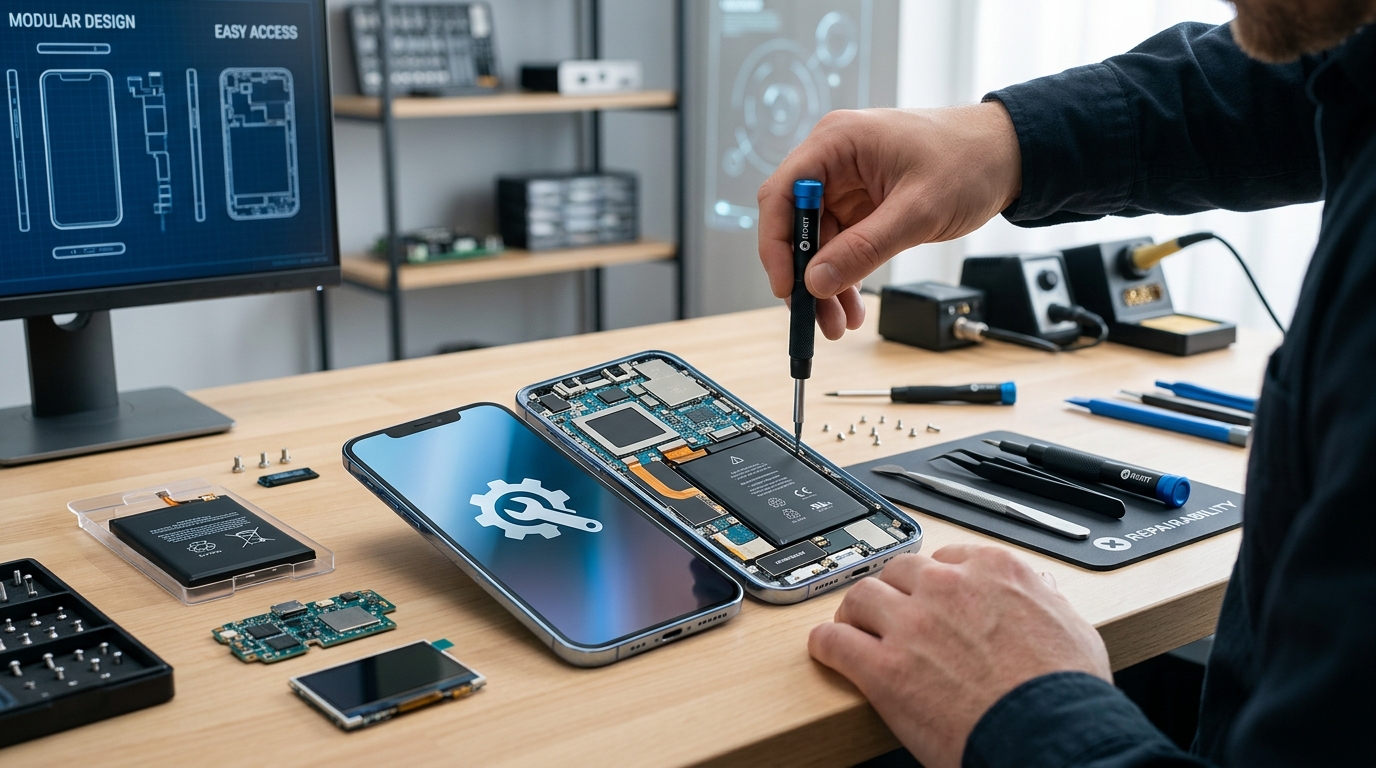
Battery replacements also cost more because of the dual-battery design and the complexity of disassembling a foldable phone. Factor these potential costs into your total ownership calculation.
The competition is heating up
More manufacturers entering the foldable market means better options and lower prices. Google’s Pixel Fold brought stock Android to foldables with excellent software integration. OnePlus launched the Open with a focus on performance and gaming. Motorola revived the Razr brand with competitive pricing.
This competition drives innovation. Each generation brings thinner designs, better hinges, improved cameras, and longer battery life. The pace of improvement is faster than what we see in traditional smartphones, which have largely plateaued.
Chinese brands are particularly aggressive, offering high-spec foldables at prices that undercut Samsung by $300 to $500. The trade-off is usually shorter software support periods and less refined camera processing, but the hardware quality is excellent.
This competitive environment benefits consumers. If you’re not ready to buy today, waiting six months will likely bring better options at similar or lower prices.
Making peace with the compromises
No phone is perfect, and foldables require accepting specific trade-offs. The key is deciding whether those compromises matter to you personally.
The extra thickness and weight are real. A Z Fold6 is nearly twice as thick as an iPhone 15 Pro when folded. You’ll notice this in your pocket every day. Some people adjust and stop caring. Others never get comfortable with the bulk.
The crease in the middle of the screen is visible and tangible. You can feel it when you swipe across. Most users report that they stop noticing it after a few days, but it bothers some people permanently. You won’t know which camp you’re in until you’ve used one for a while.
The shorter battery life means changing your charging habits. You might need to charge during the day or carry a portable battery pack. This is manageable but requires adjustment if you’re used to phones that easily last 24 hours.
These aren’t flaws that will be fixed in the next generation. They’re inherent to the form factor. Accept them or choose a different device.
Are foldable phones finally mainstream-ready?
The honest answer is: they’re ready for some people, but not everyone. Foldables have matured enough that buying one in 2026 isn’t a risky bet on unproven technology. The durability concerns have been largely addressed. The prices, while still premium, are no longer absurd. The practical benefits are real for users who value larger screens and multitasking.
But they’re not ready to replace traditional phones for most people. Battery life isn’t there yet. App optimization is incomplete. The cost premium remains significant. Repairs are expensive. The form factor requires compromises that not everyone will accept.
If you’re someone who genuinely needs what foldables offer, and you understand the trade-offs you’re making, 2026 is a great time to buy. The technology has crossed the threshold from “interesting experiment” to “viable daily driver.” Just make sure you’re buying for the right reasons, not just because the technology is cool. The novelty wears off fast, but the practical realities of battery life, weight, and cost stick around for years.
For everyone else, traditional flagships still offer better value, longer battery life, superior cameras, and proven durability. There’s no shame in waiting another generation or two. Foldables will only get better, and the prices will continue to drop. The technology is ready, but that doesn’t mean you have to be.


Post Comment