Why Tech Companies Are Suddenly Obsessed With Repairability
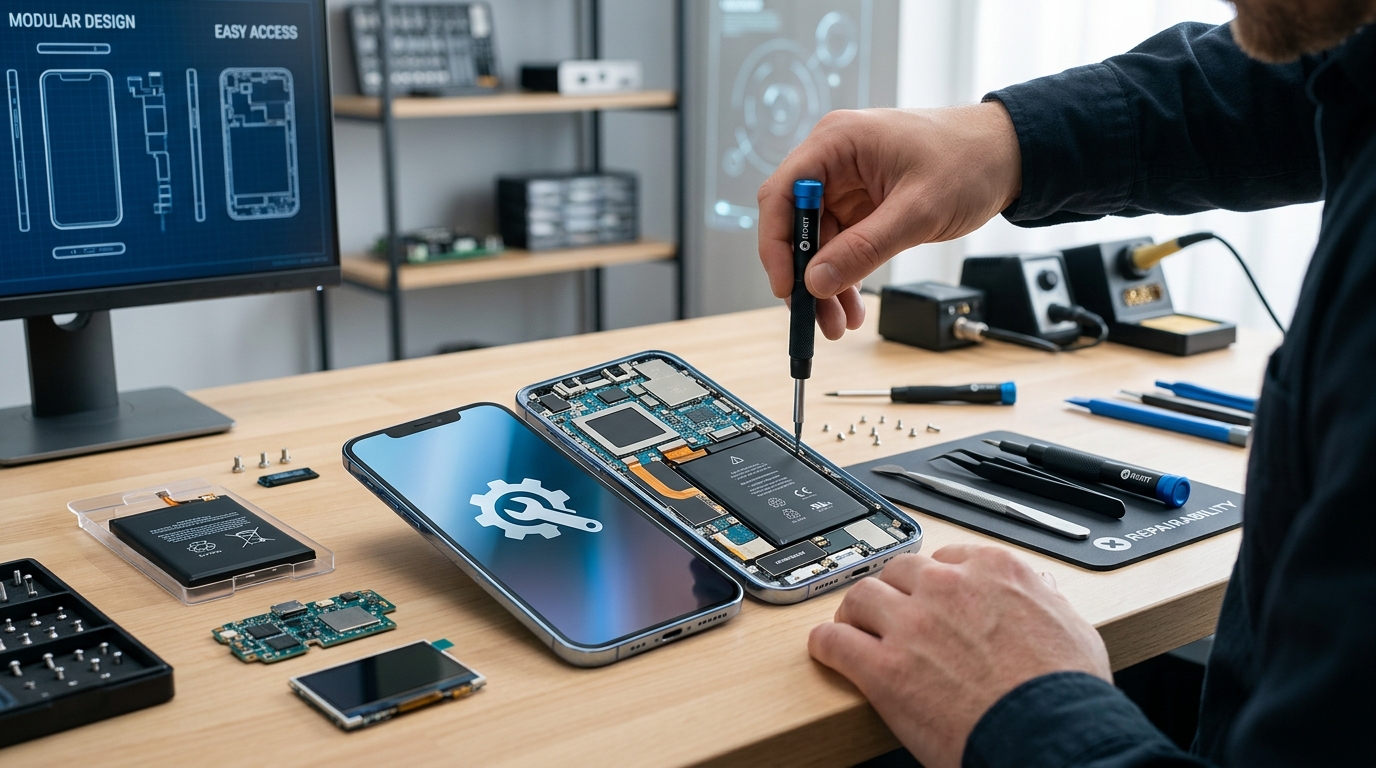
Your laptop screen cracks. Your phone battery dies after two hours. Your tablet’s charging port stops working. Five years ago, the answer from most tech companies would have been simple: buy a new one. Today, those same companies are shipping repair kits, publishing teardown guides, and lobbying for the right to fix devices. Something fundamental has changed in the tech industry, and it’s happening faster than anyone expected.
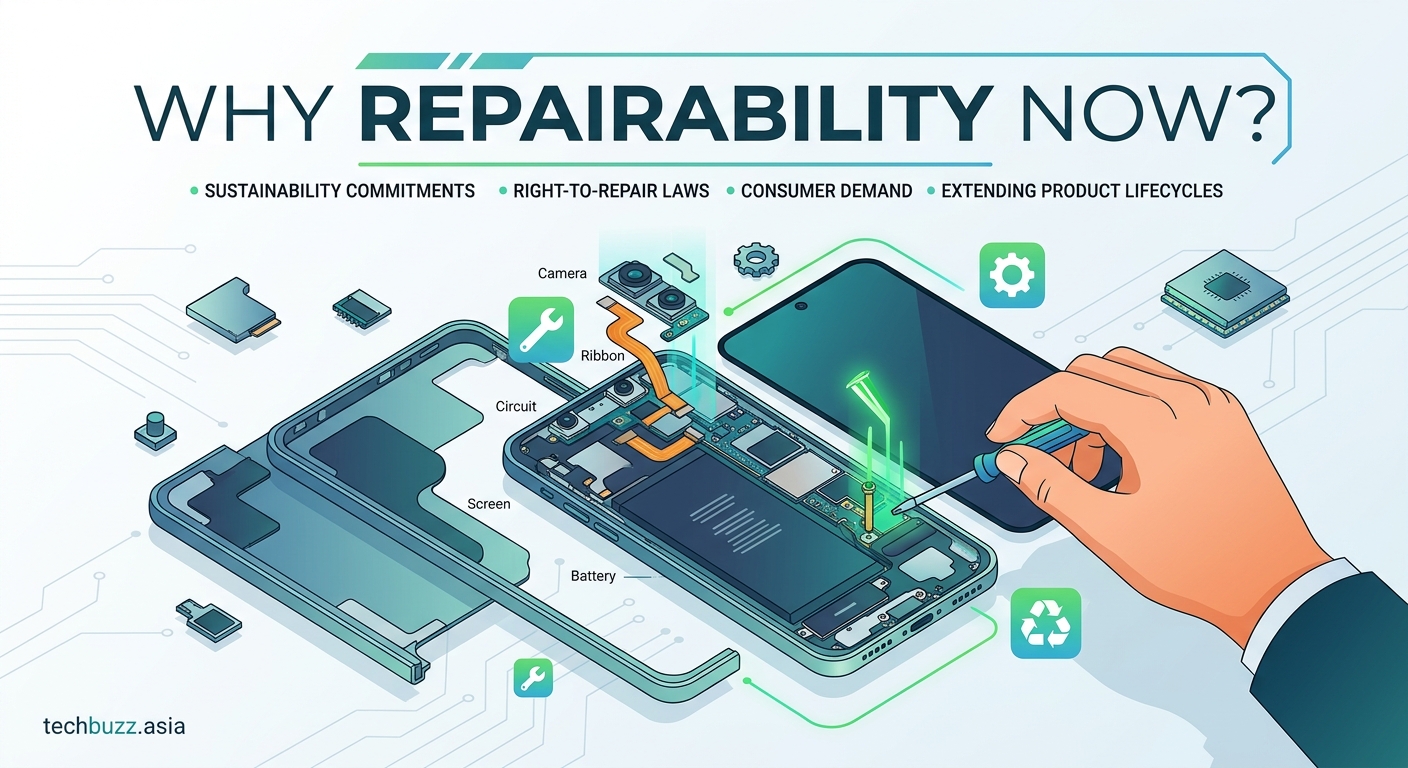
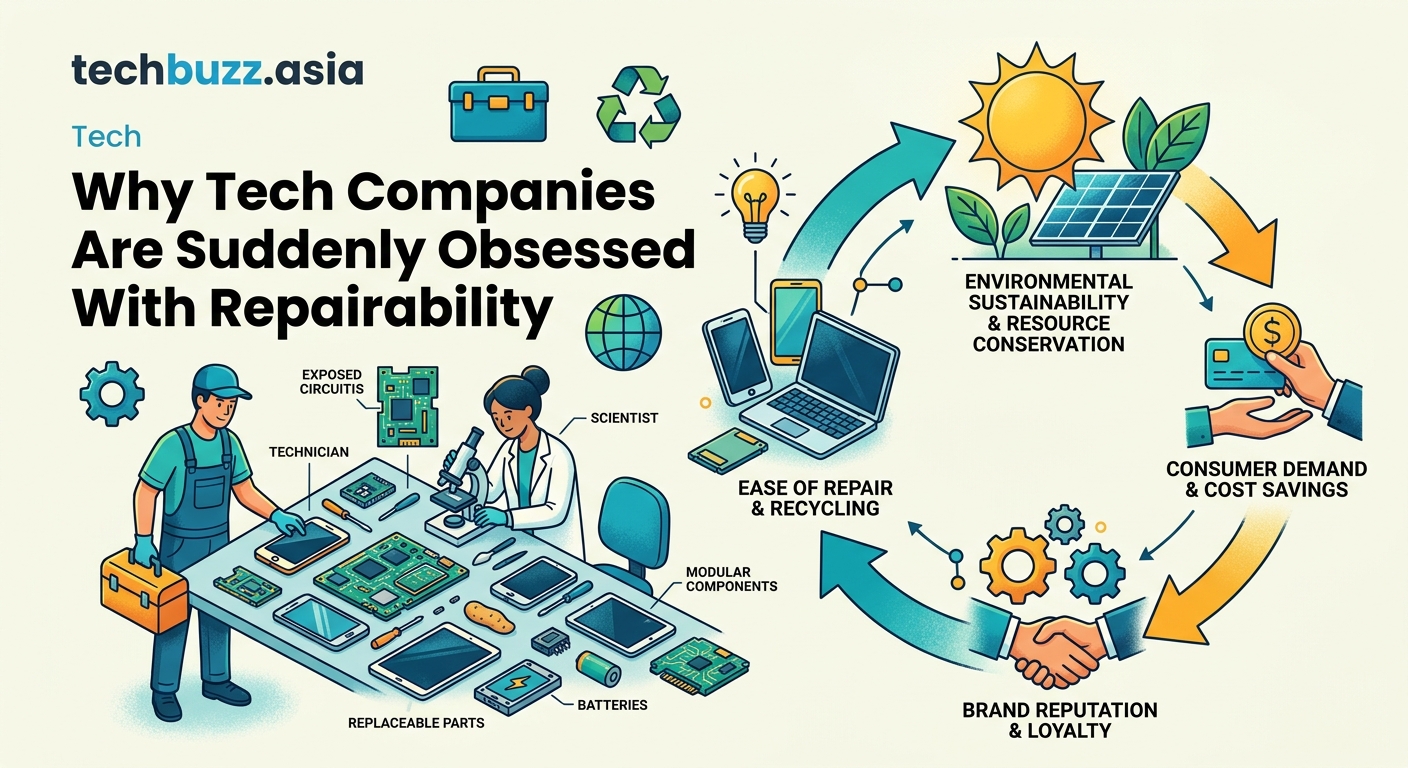
Tech companies are prioritizing repairability due to regulatory pressure, environmental concerns, and consumer demand. Major brands now offer self-repair programs, publish service manuals, and design devices with replaceable components. This shift reduces e-waste, extends device lifespans, and gives consumers more control over their technology investments while creating new revenue streams for manufacturers.
Legislation Is Forcing The Industry’s Hand
The right-to-repair movement gained serious momentum when governments started paying attention. New York passed the first statewide electronics right-to-repair law in 2022. California followed with even stronger protections in 2023. The European Union went further, requiring manufacturers to make spare parts available for up to ten years for certain product categories.
These laws don’t just suggest repairability. They mandate it with real penalties.
Companies that once fought these regulations tooth and nail are now racing to comply. Apple, which spent years lobbying against right-to-repair legislation, launched its Self Service Repair program. Samsung opened up access to genuine parts through partnerships with iFixit. Microsoft increased its repairability scores across its Surface lineup.
The regulatory environment created a simple choice: adapt or face fines, lawsuits, and market restrictions. Most companies chose adaptation.
Environmental Pressure Is Mounting From Every Direction
E-waste has become impossible to ignore. The world generates over 50 million metric tons of electronic waste annually. Only 17% gets properly recycled. The rest sits in landfills, leaching toxic materials into soil and water, or gets shipped to developing countries where informal recycling operations expose workers to dangerous chemicals.
Consumers are connecting the dots between disposable tech and environmental damage. A 2024 survey found that 73% of tech buyers consider repairability when making purchase decisions. That number was 41% just three years earlier.
Shareholders are asking questions too. Environmental, social, and governance (ESG) metrics now influence investment decisions. Companies with poor sustainability records face divestment campaigns and lower stock valuations. What happens when tech giants stop supporting your device becomes not just a customer service issue but an environmental liability.
Major tech brands responded by setting ambitious sustainability targets:
- Apple committed to carbon neutrality across its entire supply chain by 2030
- Dell pledged to use 100% recycled or renewable materials in its products by 2030
- Google announced plans to include recycled materials in all Made by Google products
- Samsung aims for net zero carbon emissions by 2050
Repairability is central to all these commitments. A device that lasts twice as long creates half the environmental impact.
The Economics Actually Make Sense Now
For decades, the business model was straightforward: sell new devices every year or two. Planned obsolescence wasn’t a conspiracy theory. It was standard practice backed by quarterly earnings targets.
That model is cracking under its own weight. Smartphone sales have plateaued. People keep their phones longer. The upgrade cycle stretched from 18 months to over three years for many users. When customers aren’t buying new devices as frequently, repair services become a viable revenue stream.
Apple’s repair program generated an estimated $2 billion in revenue in 2023. Third-party repair shops, once seen as competition, now represent partnership opportunities. Authorized service providers expand a company’s reach without requiring massive infrastructure investments.
The math works for consumers too. Replacing a cracked screen for $200 beats spending $1,000 on a new phone. Swapping out a worn battery for $80 extends a laptop’s life by years. Why your smartphone battery degrades faster than it should matters less when replacement is affordable and accessible.
Brand Reputation Depends On It
Social media amplified consumer voices in ways that were impossible a decade ago. A viral video showing a company refusing to repair a device, or using proprietary screws to prevent third-party repairs, can tank brand perception overnight.
The backlash against anti-repair practices became too loud to ignore. Apple faced criticism for serializing components, making even genuine replacement parts non-functional without proprietary software. John Deere fought farmers who wanted to repair their own tractors. Microsoft glued Surface devices together so thoroughly that repairs became nearly impossible.
Each controversy damaged the brand. Tech companies realized that fighting repairability was costing them customer loyalty and positive press.
The flip side proved equally powerful. Companies that embraced repairability earned positive coverage and customer goodwill. Framework’s modular laptop generated massive buzz. Fairphone’s ethical, repairable smartphone built a devoted following despite modest specs. These smaller companies proved that repairability could be a competitive advantage.
How Companies Are Actually Implementing Repairability
The shift from anti-repair to pro-repair required fundamental changes in design, supply chain, and customer service. Here’s how major manufacturers are making it happen:
-
Modular design from the ground up. Engineers now design products with repair in mind from day one. Components snap together rather than getting glued. Standard screws replace proprietary fasteners. Battery compartments become accessible without dismantling the entire device.
-
Public documentation and repair manuals. Companies publish detailed service guides that were once restricted to authorized technicians. These manuals include step-by-step instructions, part numbers, and troubleshooting flowcharts. Some manufacturers even post video tutorials showing common repairs.
-
Parts availability through multiple channels. Genuine replacement parts are now available through company websites, authorized distributors, and partnerships with repair platforms. Pricing has become more transparent, and availability extends beyond the initial warranty period.
“The biggest change isn’t just that parts are available. It’s that companies are actively helping people fix their own devices instead of creating obstacles. That represents a complete reversal in philosophy.” – Kyle Wiens, iFixit CEO
The Technical Challenges Companies Face
Making devices repairable isn’t as simple as using fewer screws. Modern electronics pack incredible functionality into impossibly thin form factors. That density creates real engineering challenges.
Waterproofing requires seals and adhesives that complicate disassembly. Thermal management demands tight component spacing. Structural integrity in thin devices often relies on glued assemblies. Wireless charging coils and NFC antennas need precise positioning.
Engineers are solving these problems with creative approaches:
- Stretch-release adhesives that provide strong bonds but remove cleanly
- Modular midframes that maintain structural integrity while allowing access
- Magnetic attachments for back panels and covers
- Pull-tab battery adhesives that release with steady tension
- Snap-fit assemblies that provide waterproofing without permanent bonds
The solutions add cost and complexity to manufacturing. Companies are making that tradeoff because the alternatives carry bigger risks.
What Consumers Should Actually Expect
The repairability revolution doesn’t mean every device becomes a Lego set. Practical limitations remain. Some repairs still require specialized tools, technical knowledge, or steady hands. Not every component can be user-replaceable without compromising performance or safety.
Here’s a realistic breakdown of what’s changing:
| Component | Repairability Status | What Changed |
|---|---|---|
| Battery | Increasingly user-replaceable | Pull-tabs, accessible compartments, available parts |
| Screen | Professional repair recommended | Parts availability improved, serialization reduced |
| Charging port | Moderately accessible | Modular boards, clearer documentation |
| Camera modules | Professional repair required | Parts available, but calibration needed |
| Logic board | Component-level repair only | Schematics sometimes available for professionals |
| Storage | Varies by device | Some devices now use replaceable SSDs |
The biggest wins are happening with the most common repairs. Batteries, screens, and charging ports account for the majority of repair needs. Progress on those fronts matters more than whether you can swap out a camera sensor yourself.
The Role Of Third-Party Repair Shops
Independent repair businesses were the original right-to-repair advocates. They fought for access to parts, tools, and documentation while manufacturers tried to shut them down through legal threats and supply restrictions.
The relationship is evolving. Some manufacturers now partner with independent shops, offering training, genuine parts, and authorized service provider status. These partnerships benefit everyone. Consumers get more repair options. Manufacturers extend their service network without building new stores. Repair shops gain legitimacy and reliable parts sources.
Tension remains in some areas. Not all companies have embraced independent repair. Some partnerships come with restrictive terms that limit what shops can do. The transition from adversarial to collaborative relationships is happening unevenly across the industry.
But the direction is clear. Independent repair is becoming part of the ecosystem rather than a threat to it. The complete guide to building your first custom mechanical keyboard represents the same DIY spirit that’s driving repair culture forward.
What This Means For Your Next Purchase
Repairability should now factor into buying decisions alongside specs, price, and brand. Some manufacturers have made genuine progress. Others are paying lip service while maintaining anti-repair practices behind the scenes.
Look for these indicators when evaluating devices:
- Published repairability scores from organizations like iFixit
- Availability of service manuals and repair guides
- Clear parts pricing and ordering processes
- Standard fasteners rather than proprietary screws
- Removable back panels or accessible battery compartments
- Manufacturer statements about repair support duration
Don’t assume that premium price tags guarantee repairability. Some expensive devices remain nearly impossible to repair. Conversely, some budget options prioritize accessibility and long-term support.
Research before buying. Read teardown reviews. Check whether parts are actually available. Look for real user experiences with repairs, not just marketing claims.
The Future Is Getting More Interesting
Current repairability efforts are just the beginning. Engineers are developing new technologies that could make devices even more maintainable:
- Reversible adhesives that bond strongly but release with heat or electrical current
- Self-diagnostic systems that identify failing components and order parts automatically
- Augmented reality repair guides that overlay instructions onto the actual device
- 3D-printed replacement parts for out-of-production devices
- Standardized module interfaces that work across brands and product generations
Some companies are testing subscription models where you pay for the service, not the hardware. The manufacturer retains ownership and handles all repairs and upgrades. That approach aligns manufacturer incentives with device longevity rather than obsolescence.
Others are experimenting with modular platforms where you can upgrade individual components over time. Want a better camera? Swap the module. Need more storage? Replace that component. The base device lasts for years while individual parts evolve.
These approaches remain experimental. But they show that the industry is genuinely rethinking its relationship with product lifecycles and customer ownership.
Why This Shift Matters Beyond Tech
The repairability movement in consumer electronics is influencing other industries. Agricultural equipment manufacturers are opening up repair access after farmer protests. Automotive companies are facing pressure to support independent mechanics. Medical device makers are defending their repair restrictions in court.
The principle extends beyond products to software and digital services. Users want control over the tools and platforms they depend on. They want alternatives to forced upgrades and planned obsolescence. They want transparency about what they own versus what they’re merely licensing.
Tech companies embracing repairability are acknowledging a broader truth: customers value longevity, sustainability, and control. Those values are reshaping markets across industries.
Making The Most Of Your Repairable Devices
Owning a repairable device only helps if you actually maintain it. Here are practical steps to extend your tech’s lifespan:
- Replace batteries when performance drops rather than buying new devices
- Clean charging ports and connectors regularly to prevent damage
- Use protective cases to minimize the need for screen repairs
- Keep devices updated with the latest software for security and performance
- Store devices properly when not in use to prevent degradation
- Learn basic troubleshooting to identify fixable problems
- Build relationships with reliable repair providers before you need them
Small maintenance habits compound over time. A device that lasts five years instead of three represents significant savings and environmental benefit. How to maximize battery life on your iPhone in 2026 becomes more valuable when you plan to keep that phone for the long haul.
The Power Is Shifting Back To Users
The repairability transformation represents something bigger than screws and service manuals. It’s about who controls technology and how long products last. For years, manufacturers held all the cards. They decided when devices became obsolete. They controlled access to parts and information. They designed products to discourage repair.
That power dynamic is rebalancing. Consumers, regulators, and environmental advocates forced the issue. Companies that resisted are now competing on repairability. The ones that adapt fastest are gaining market advantages.
Your next device will likely be easier to repair than your current one. The one after that will be better still. This trend isn’t reversing. The economic, regulatory, and social forces driving it are too strong.
Choose products from manufacturers making genuine commitments to repairability. Support independent repair shops. Learn basic maintenance skills. Vote with your wallet for companies that respect your right to fix what you own. The shift toward repairable tech only accelerates when consumers reward the companies getting it right.




Post Comment