The Smart Light Bulbs That Pay for Themselves in Energy Savings by Fall 2026
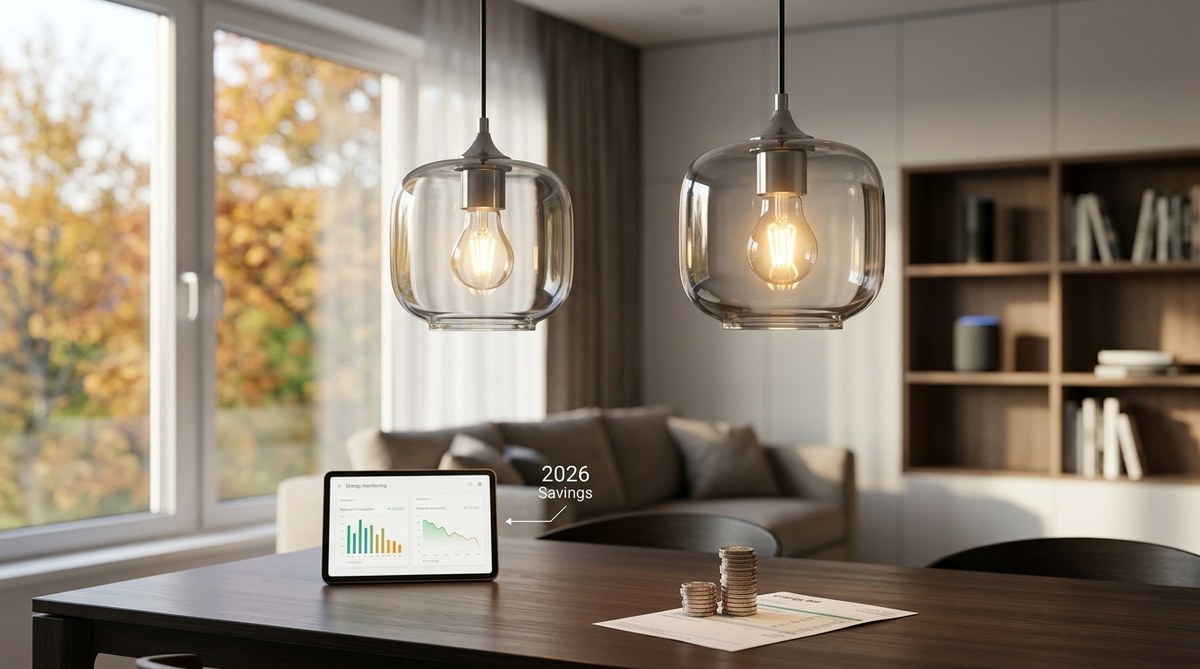
Here is a truth that might surprise you: the average American home spends about 10 to 15 percent of its electricity bill on lighting. That number adds up to hundreds of dollars a year for a typical family. Now imagine cutting that cost by more than half. That is the promise of modern smart lighting. But the real question is whether those savings happen fast enough to cover the upfront cost of the bulbs themselves. The answer, for most households in 2026, is a confident yes. If you buy the right bulbs and use them correctly, your smart lights can pay for themselves by the time the leaves start turning this fall.
Smart light bulbs can reduce your lighting energy use by up to 80 percent compared to old incandescent bulbs. With average household lighting costs around $200 per year, switching to a six-pack of quality smart LEDs can save you roughly $120 annually. At today’s prices, a set of good bulbs costs about $40 to $60. That means your investment pays itself off in just four to six months. By fall 2026, your bulbs will be earning you money.
How Much Can Smart Bulbs Really Save You?
Let’s look at the numbers. A standard 60-watt incandescent bulb costs about $7 to $8 per year to run if you use it for three hours a day. A comparable LED smart bulb uses only 9 to 10 watts. That same bulb costs about $1.20 per year to operate.
The savings per bulb is roughly $6.80 annually. If your home has 20 bulbs that you use regularly, that is $136 in savings every single year. Most smart bulbs in 2026 cost between $8 and $15 each. If you replace all 20 bulbs at once, your total investment might be around $200 to $300. That sounds steep, but the annual savings of $136 means the bulbs pay for themselves in less than two years.
But we can do better than two years. The trick is to replace only the bulbs you use the most. Focus on your kitchen, living room, home office, and bedroom lights. These are the ones that run for hours every day.
Why Smart Bulbs Save More Than Standard LEDs
You might ask: why not just buy cheap LED bulbs for $2 each? That is a fair question. Standard LEDs are very efficient. But smart bulbs offer features that lead to even greater savings.
- Scheduling: Set your lights to turn off automatically at bedtime. No more leaving lights on all night.
- Motion sensing: Lights in hallways or bathrooms turn on only when someone is there.
- Dimming: A dimmed bulb uses less electricity. Even a 20 percent reduction in brightness saves energy.
- Remote control: Forgot to turn off the kitchen light? Do it from your phone while you are at work.
- Zoning: Create groups of lights that turn on and off together. No more walking through a dark house flipping switches.
These features directly reduce the number of hours your lights are on. That is where the real savings come from. A standard LED saves energy by using less power per hour. A smart LED saves energy by reducing the number of hours you use it at full power.
The Three-Step Plan to Hit Your Break-Even by Fall
Here is a simple, repeatable process that any homeowner can follow. This plan is designed to get you to the break-even point by October 2026.
-
Audit your current lighting. Walk through your home and count every bulb that gets used for more than two hours a day. Focus on these high-traffic areas. Write down the room, the bulb type, and the average daily usage.
-
Buy a starter pack of smart bulbs. Look for multipacks of A19 or BR30 bulbs from reputable brands like Philips Hue, Wyze, or TP-Link Kasa. In 2026, a six-pack of good quality smart bulbs costs around $35 to $50. Stick with bulbs that support Matter or Thread for the best compatibility with voice assistants and future smart home systems.
-
Set up automation immediately. Do not just screw in the bulbs and stop there. After pairing them with your phone, create schedules. Set your living room lights to dim to 50 percent after 10 PM. Program your kitchen lights to turn off at 11 PM. Enable motion sensing in hallways. The automation is what turns efficiency into actual savings.
Common Mistakes That Kill Your Savings
Many people buy smart bulbs and never see the expected savings. Here is a table that shows the most common errors and how to avoid them.
| Mistake | Why It Hurts | The Fix |
|---|---|---|
| Leaving lights on all day | Wipes out any efficiency gain | Use scheduling to turn lights off automatically |
| Buying cheap no-name bulbs | Poor reliability and dim light output | Stick with known brands that have good reviews |
| Forgetting to use automation | Bulbs are smart but behave like dumb bulbs | Spend 15 minutes setting up routines after installation |
| Using smart bulbs in closets or storage rooms | Low usage means very slow payback | Only replace bulbs in rooms you use daily |
| Ignoring dimmer compatibility | Some smart bulbs buzz or flicker on old dimmer switches | Buy bulbs that are rated for dimming or replace the switch |
| Not connecting to a voice assistant | You lose the convenience that makes automation easy | Pair with Alexa, Google Home, or Apple HomeKit |
Expert advice: “The biggest mistake I see is people buying smart bulbs and then controlling them manually with the app. That defeats the purpose. You need to set up automations and then forget about them. The savings happen in the background while you live your life.” — Sarah Kim, home energy consultant and founder of Smart Savings Lab.
How to Calculate Your Personal Payback Date
You do not need to be a math whiz to figure this out. Here is a simple formula.
Take the total cost of your smart bulbs. Divide that by your monthly lighting savings. The result is the number of months to break even.
For example:
– Bulb cost: $60 (six bulbs at $10 each)
– Monthly savings: $15 (based on replacing six bulbs used four hours per day)
– Break-even: $60 divided by $15 equals 4 months
If you buy the bulbs in May 2026, you break even in September 2026. That is before fall officially starts.
What About the Bulbs That Stay On All Day?
Some lights in your home run for very long hours. Think of a home office where you work from 9 AM to 6 PM. Or a nursery where a night light stays on all night. These are your best candidates for smart bulbs.
A bulb that runs 10 hours a day instead of 3 hours a day saves you even more money per bulb. If you replace a 60-watt incandescent in your office with a smart LED, you save roughly $20 per year on that single bulb. A $12 bulb pays for itself in just over seven months.
If you have a similar setup, consider reading about how to maximize battery life on your iPhone in 2026 for more energy-saving tips that apply to your daily devices.
Should You Buy a Starter Kit or Individual Bulbs?
This depends on your home size and your goals.
-
Starter kits are best for beginners. They usually come with a hub or bridge, which makes setup easier. They also offer better group control. The downside is that you pay for the hub even if you only want two bulbs.
-
Individual bulbs are better if you already have a smart home hub. They are also cheaper per bulb if you buy them in multipacks. Brands like Wyze and Kasa do not require a separate hub at all. They connect directly to your Wi-Fi.
If you are unsure, start with a three-pack of Wi-Fi bulbs for a single room. See if you like the experience. Then expand from there.
The Hidden Benefit Nobody Talks About
Beyond the dollar savings, smart bulbs can extend the life of your fixtures. LEDs already last 15 to 25 years under normal use. But smart bulbs reduce wear on your switches and dimmers because you use them less. You also reduce the heat output in your rooms. Less heat means your air conditioner works less during the summer.
That is a secondary energy saving that many people miss. It is small, but it adds up over time. If you are interested in other ways to reduce your home’s energy footprint, you might enjoy our guide on 5 underrated smart home gadgets that solve everyday annoyances.
Fall 2026 Is Closer Than You Think
We are already deep into 2026. If you make a purchase in the next few weeks, you have a solid five to six months before the calendar turns to October. That is plenty of time for a $50 investment to pay itself back through lower electricity bills.
Do not overthink this. The math works. The technology is mature. The prices are lower than they have ever been. The only thing standing between you and free lighting after fall is the decision to start.
Your Savings Timeline Starts Today
You do not need to replace every bulb in your house at once. Pick the five or six bulbs you use the most. Swap them out this weekend. Set up the automation on Sunday afternoon. Then watch your next electricity bill. The difference might surprise you.
By the time the first cool breeze of autumn arrives, those bulbs will have already paid for themselves. From that point forward, every dollar you save is money in your pocket. That is the kind of upgrade that feels good both financially and environmentally.
Go ahead and make the switch. Your future self will thank you when you see that lower bill in November.


Post Comment