Cloud Gaming in 2026: Which Service Actually Delivers Console-Quality Performance?
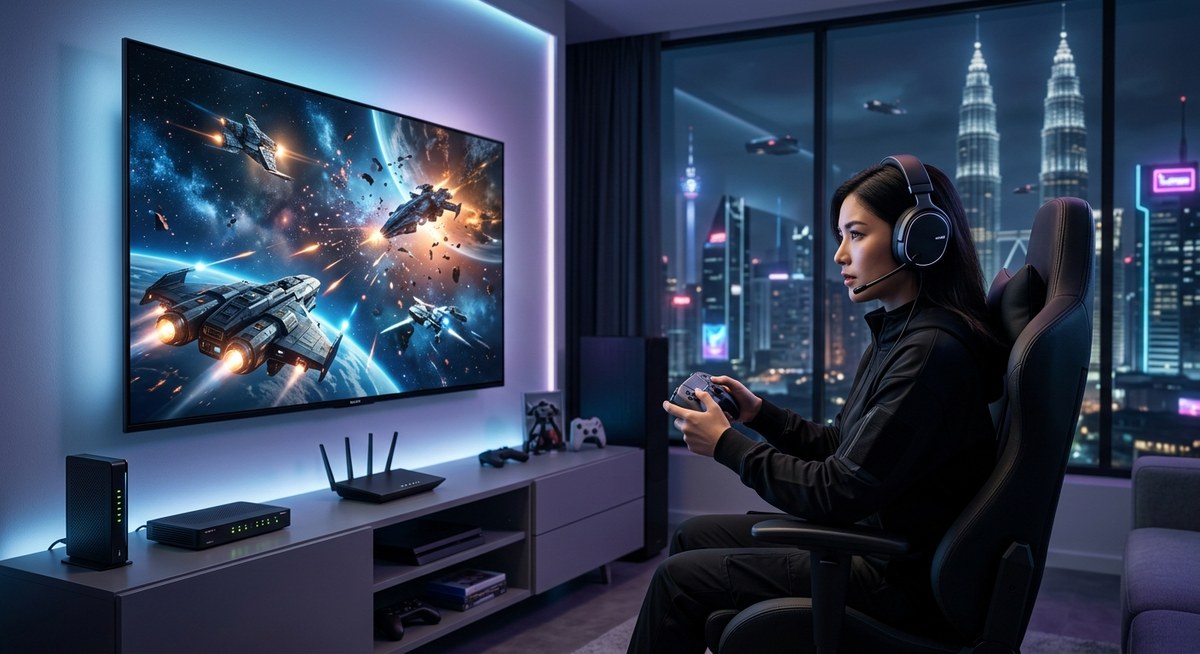
Cloud gaming has shifted from a niche convenience to a serious contender in the gaming world. By 2026, the landscape is more competitive than ever, with services promising high fidelity, low latency, and seamless gameplay. But how do they really measure up? If you’re considering switching to cloud gaming or just curious about which platform offers the best performance this year, this guide will help you sort through the options. Let’s dive into how these services compare and what you should keep an eye on.
In 2026, cloud gaming services have narrowed the gap in performance, with Nvidia GeForce Now and Xbox Cloud Gaming leading in latency, resolution, and stability. Your choice depends on your hardware setup, the games you play, and the importance of features like instant access and affordability. While no service is perfect, the best platforms now deliver a gaming experience that rivals traditional consoles, making cloud gaming worth considering for many gamers today.
How cloud gaming performance shapes up in 2026
Performance in cloud gaming boils down to several key factors. These include latency, image quality, input responsiveness, and stability. In 2026, advances in streaming protocols, data center infrastructure, and compression techniques have pushed these metrics closer to what gamers expect from a local console or gaming PC.
Latency and input responsiveness
Latency remains the most critical aspect for competitive players and fast-paced games. Today, services like Nvidia GeForce Now and Xbox Cloud Gaming have optimized their servers and network routes to cut delays. Many users report input lag under 20 milliseconds, which is barely noticeable for most gaming genres.
Image quality and resolution
High frame rates and 4K resolution are now common in top-tier services. Nvidia GeForce Now Ultimate, for example, supports 4K at 120Hz, providing crisp visuals and smooth gameplay. Other platforms like Xbox Cloud Gaming have also improved their streaming pipelines, reducing compression artifacts and latency-induced blurriness.
Stability and server reliability
Server stability is vital for a smooth experience. With widespread data center expansion and dedicated gaming servers, services like Boosteroid and PlayStation Plus Premium maintain consistent performance even during peak hours. This reliability reduces frustrating disconnections or frame drops.
Which services actually deliver console-quality performance?
Several cloud gaming platforms stand out in 2026 for their impressive performance. Here’s a quick breakdown:
-
Nvidia GeForce Now: Known for its high-end streaming tech, GeForce Now offers 4K HDR at 120Hz with minimal latency. Its support for RTX features makes it a favorite among gamers seeking visual fidelity.
-
Xbox Cloud Gaming: Powered by Azure data centers, Xbox Cloud Gaming has improved its input latency and resolution options. It works seamlessly with Xbox controllers and integrates well with Xbox Game Pass.
-
Boosteroid: This service is making waves with its low-latency streams and support for a variety of devices. Its protocol enhancements, like AV1 video encoding, help deliver high-quality feeds even on less-than-ideal connections.
-
PlayStation Plus Premium: While traditionally console-focused, Sony’s cloud service now offers better streaming quality and lower latency, especially on PlayStation-compatible devices.
-
Google Stadia (though officially discontinued, similar tech is used by other services): Still worth mentioning for its early promise of 4K streaming with low latency, which has influenced current standards.
How do they compare side-by-side?
| Technique / Mistake | Nvidia GeForce Now | Xbox Cloud Gaming | Boosteroid | PlayStation Plus Premium |
|---|---|---|---|---|
| 4K at 120Hz support | Yes | Yes | Yes | Limited |
| Latency (ms) | Under 20 | Under 25 | Under 20 | Around 25 |
| Input lag | Very low | Low | Low | Moderate |
| Compression artifacts | Minimal | Slightly noticeable | Minimal | Slight |
| Device compatibility | PC, Mac, Shield TV | PC, Xbox, mobile | Multiple devices | PS4, PS5, mobile |
| Protocols used | NVIDIA NVENC, AV1 | Custom Azure tech | AV1, H.264 | Custom Sony tech |
“The latest cloud services are challenging traditional gaming hardware by offering near-native performance. Focus on the connection quality and device compatibility for the best experience.” — Tech industry expert
Practical steps to maximize your cloud gaming setup
Getting the most out of cloud gaming in 2026 involves more than just choosing a platform. Here are three tips to ensure smooth gameplay:
- Use a wired internet connection: Ethernet minimizes interference and reduces latency, especially when streaming at high resolutions.
- Select a nearby server: Many services let you pick your data center. Connecting to the closest one cuts down on lag.
- Optimize your network: Quieten other devices, prioritize gaming traffic with Quality of Service (QoS) settings, and ensure your firmware is up to date.
Techniques and common mistakes
| Technique / Mistake | Description | Why it matters |
|---|---|---|
| Using Wi-Fi on 2.4 GHz | High interference and latency | Causes lag spikes and image degradation |
| Ignoring server location | Connecting to distant servers | Increases lag and reduces responsiveness |
| Not updating firmware | Outdated network hardware | Limits performance and stability |
Expert Advice
“For a competitive edge, invest in a gigabit Ethernet setup and choose servers close to your location. Small improvements can make a big difference in cloud gaming.” — Network specialist
Future trends in cloud gaming performance
Looking ahead, cloud gaming will continue to evolve with technologies like edge computing and 5G networks. These advancements promise even lower latency and higher resolutions, making cloud gaming indistinguishable from local hardware for most players. Companies are also experimenting with AI-driven compression and adaptive streaming, which could further improve responsiveness during busy network conditions.
Final thoughts: Is cloud gaming worth it in 2026?
As the performance gap narrows, cloud gaming becomes a viable alternative to traditional consoles and gaming PCs. If you are willing to optimize your network and select a service that matches your gaming needs, you can enjoy high-quality gameplay without hefty hardware investments. The key is to match your setup to the right platform and keep your internet connection in top shape.
In the end, cloud gaming in 2026 offers unprecedented flexibility and quality. Whether you want to play on a modest laptop, a mobile device, or a smart TV, the options are more capable than ever. Try out the top services and see how they fit your gaming style. With steady improvements on the horizon, there’s never been a better time to give cloud gaming a real shot.
Embracing the cloud for a new era of gaming
Cloud gaming performance in 2026 has reached a point where it can truly stand toe-to-toe with traditional hardware. The best approach is to stay informed, optimize your network, and pick a platform that aligns with your gaming goals. As technology advances, so will the potential for seamless, high-fidelity gaming anywhere you like. Keep experimenting and enjoy the freedom that cloud gaming offers in this exciting new year.

Post Comment