The Hidden Cost of Free Apps That Nobody Talks About
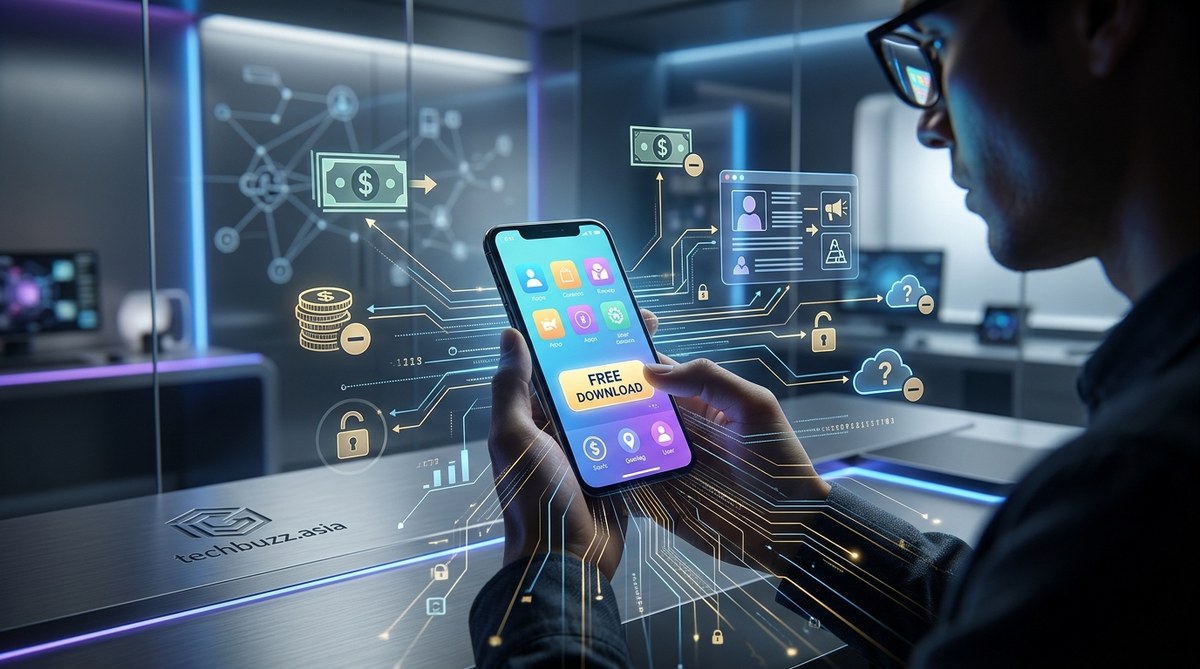
Getting free apps may seem like a win, but beneath the surface lies a collection of hidden costs that can impact your privacy, wallet, and mental well-being. Many users download apps with the idea of getting something for nothing. Yet, these seemingly free tools often come with a price tag that isn’t immediately visible. Understanding these costs is crucial for anyone who values their data and mental space.
While free apps seem appealing, they often consume your privacy, time, and attention. Being aware of these hidden costs helps you make smarter choices and protect your digital life.
The real price tag behind free apps
Many people assume that free apps are truly free. They think they are paying with their time or patience. In reality, most free applications generate revenue through methods that can compromise your privacy or drain your attention. The true cost of free apps is often hidden in plain sight, making it essential to look beyond the download button.
How free apps make money from users
Understanding the business models of free apps reveals their hidden costs. Here are the most common ways they profit:
- Advertising: Many free apps display ads constantly. These ads are tailored based on your data, which means your privacy is often compromised. The more you use the app, the more ads you see, increasing advertising revenue for the developer.
- In-app purchases: Some apps are free initially but push in-app purchases to unlock features or enhance the experience. This can lead to unexpected expenses, especially if you’re not paying close attention.
- Data monetization: The most concerning method involves harvesting your personal information. Your data is sold to third parties or used to create detailed profiles for targeted advertising.
The privacy trade-off in free apps
Many free apps collect extensive data about your habits, location, contacts, and even device specifics. This data fuels targeted ads or is sold to third-party marketers.
“Every time you grant permissions to a free app, you might be handing over more than you realize,” says privacy expert Dr. Lisa Chen. “The cost isn’t just in data, but in the potential for misuse or breaches.”
Time and attention costs
Free apps often employ strategies to keep you engaged for as long as possible. Features like notifications, addictive gameplay, or social validation cues are designed to capture your attention.
- Time drain: Hours can slip away unnoticed while scrolling through social media or playing free games.
- Mental clutter: Continuous notifications or updates can cause distraction, reducing productivity and increasing stress.
How to identify and avoid the hidden costs
Knowing what to look for can help you protect yourself against the unseen expenses of free apps. Here are steps you can take:
-
Review permissions carefully
When installing an app, scrutinize the permissions it requests. If an app asks for access to your camera, microphone, or contacts without a clear reason, it might be gathering unnecessary data. -
Check privacy policies
Read the privacy policy to understand what data is collected and how it will be used. If it is vague or overly lengthy, consider alternatives. -
Limit app usage and notifications
Turn off notifications that are not essential. This reduces the temptation to keep returning to the app, saving your time and mental energy. -
Use privacy-focused tools
Consider employing ad blockers or VPNs that can shield your data from being tracked by free apps. -
Opt for paid or open-source apps
Paid apps often have fewer ads and less data collection. Open-source applications allow you to verify what data they handle and modify their code if needed.
Practical process to reduce the hidden costs
Here is a simple, three-step process:
-
Audit your installed apps
Regularly review your app list and remove ones that are unnecessary or overly invasive. -
Adjust app permissions
Go into your device settings and revoke permissions that are not relevant to the app’s core function. -
Limit app engagement
Set specific times to use apps and disable notifications outside those periods.
Techniques to protect your privacy and attention
| Technique | What it does | Common mistake | Why it matters |
|---|---|---|---|
| Using app permission controls | Limits data collection | Ignoring permission prompts | Protects sensitive information |
| Installing privacy-focused browsers or VPNs | Shields online activity | Forgetting to update tools | Reduces tracking and data selling |
| Choosing paid or open-source apps | Less invasive | Assuming free equals safe | Ensures transparency and control |
| Turning off notifications | Reduces distractions | Leaving notifications enabled | Maintains focus and reduces stress |
Expert advice on managing free apps
“Always consider what you are giving up when you use a free app,” advises cybersecurity expert Mark Johnson. “Your time, attention, and privacy are valuable. Protect them by being selective and proactive.”
Recognizing the signs of sneaky app tactics
Some free apps rely on manipulative strategies to maximize engagement and data collection:
- Excessive permissions requests without clear necessity
- Frequent notifications designed to draw you back in
- Persistent prompts for in-app purchases
- Lack of transparency in privacy policies
Avoid falling for these tricks by staying informed and cautious.
Practical tips for a healthier app experience
- Set usage limits on your device to prevent overuse.
- Regularly review app permissions and revoke any unnecessary access.
- Opt for paid alternatives when privacy is a priority.
- Use app blockers during work hours or focus periods.
- Educate yourself on data privacy practices and stay updated on new threats.
The importance of mindful app choices
Being aware of the hidden costs of free apps empowers you to make smarter decisions. Recognize that free doesn’t always mean safe or harmless. By taking control of permissions, limiting engagement, and choosing trustworthy apps, you protect your privacy and mental bandwidth.
Taking control of your digital environment
Applying these habits can reduce the unspoken toll free apps take on your life. Remember, your data and attention are valuable assets. When you choose apps carefully and monitor their impact, you can enjoy the benefits of technology without paying an unseen price.
Stay vigilant, question what seems free, and prioritize tools that respect your privacy. Your digital well-being depends on it.


Post Comment